After testing over 50 robot vacuums and using stick vacuums for years, here is the honest answer: neither one replaces the other. A robot vacuum keeps your floors clean while you are at work. A stick vacuum handles the jobs a robot simply cannot — stairs, upholstery, a quick spot clean after cooking. The real question is not which to buy. It is whether you need one, the other, or both.
30-Second Summary
- Robot vacuum wins at: Daily maintenance, hands-free cleaning, pet hair on hard floors, scheduled cleaning while you are away
- Stick vacuum wins at: Deep carpet cleaning, stairs, above-floor surfaces, spot cleaning, versatility
- Best strategy: Use both — a robot for daily upkeep and a stick vacuum for weekly deep cleans
- Budget pick: If you can only buy one, a stick vacuum under $300 covers more use cases
- Upgrade pick: A mid-range robot vacuum ($400–$700) paired with a budget stick vacuum ($100–$200) is the sweet spot
Quick Comparison Table
| Feature | Robot Vacuum | Stick Vacuum |
|---|---|---|
| Price range | $200–$1,600 | $100–$800 |
| Cleaning mode | Fully autonomous | Manual operation |
| Suction power | 2,000–18,000 Pa (20–40 AW) | 100–230 AW |
| Hard floor cleaning | Excellent (daily passes) | Excellent (single pass) |
| Carpet deep clean | Fair to good | Excellent |
| Mopping | Yes (most 2026 models) | No (rare exceptions) |
| Stairs | ❌ Cannot climb | ✅ Easy |
| Under furniture | ✅ Designed for it | ❌ Hard to reach |
| Runtime | 90–290 min (auto-recharge) | 20–60 min |
| Noise level | 55–72 dB | 70–85 dB |
| Maintenance | Self-emptying docks available | Manual emptying after each use |
| Best for | Busy households, daily upkeep | Deep cleaning, multi-surface |
Suction Power: Why the Numbers Are Misleading
You will see robot vacuums advertised at 18,000 Pa and think they must outperform a stick vacuum rated at 230 air watts. They do not. These are fundamentally different measurements.
Pascals (Pa) measure static suction pressure — the pulling force at the nozzle. Air watts (AW) measure actual airflow volume combined with pressure. A robot vacuum rated at 10,000 Pa generates strong localized pressure but moves far less total air than a 150 AW stick vacuum. That is why robot vacuums struggle with embedded carpet debris despite their seemingly impressive Pa numbers.
To understand how we evaluate these differences, see our testing methodology.
What this means in practice: On a kitchen floor with crumbs and dust, a modern robot vacuum picks up 90–95% in a single pass. On medium-pile carpet with embedded pet hair, that same robot needs 3–4 passes to match what a stick vacuum does in one.
The good news? Robot vacuums run daily. Over the course of a week, those multiple automated passes keep carpets cleaner than a once-a-week manual vacuum session for most households.
Hard Floor Cleaning
Winner: Tie — but for different reasons.
Robot vacuums are unbeatable for hard floor maintenance. They run every day, catching dust, crumbs, and pet hair before it builds up. Most 2026 models combine vacuuming and mopping in a single pass, which no stick vacuum can match.
A stick vacuum cleans hard floors just as well per pass — arguably better for sticky messes or larger debris. But you have to do it yourself. And if you are honest about how often that actually happens, the robot wins on consistency.
One Reddit user summed it up perfectly: "I used to vacuum my hardwood floors maybe twice a week. Now the robot runs daily and my floors are cleaner than they have ever been. I did not get lazier — I just got smarter."
For hard floor recommendations, check our best robot vacuums for hardwood floors guide.
Carpet Deep Cleaning
Winner: Stick vacuum — by a wide margin.
This is where stick vacuums earn their keep. In side-by-side tests on medium-pile carpet, stick vacuums remove 95–98% of embedded debris in a single pass. Robot vacuums manage 70–85% in the same test, even flagship models with 12,000+ Pa suction.
The physics explain it. A stick vacuum has a larger, more powerful motorized brush bar, stronger airflow, and you can apply downward pressure. A robot vacuum rides on top of the carpet with a smaller brush, relying on multiple passes to compensate for lower per-pass extraction.
The practical takeaway: If your home is mostly carpet, a stick vacuum is non-negotiable. You can add a robot vacuum for daily maintenance between deep cleans, but it cannot replace your weekly manual session — especially if you have pets.
See our pet hair picks for models that handle fur on carpet better than most.
Mopping Capability
Winner: Robot vacuum — stick vacuums do not mop.
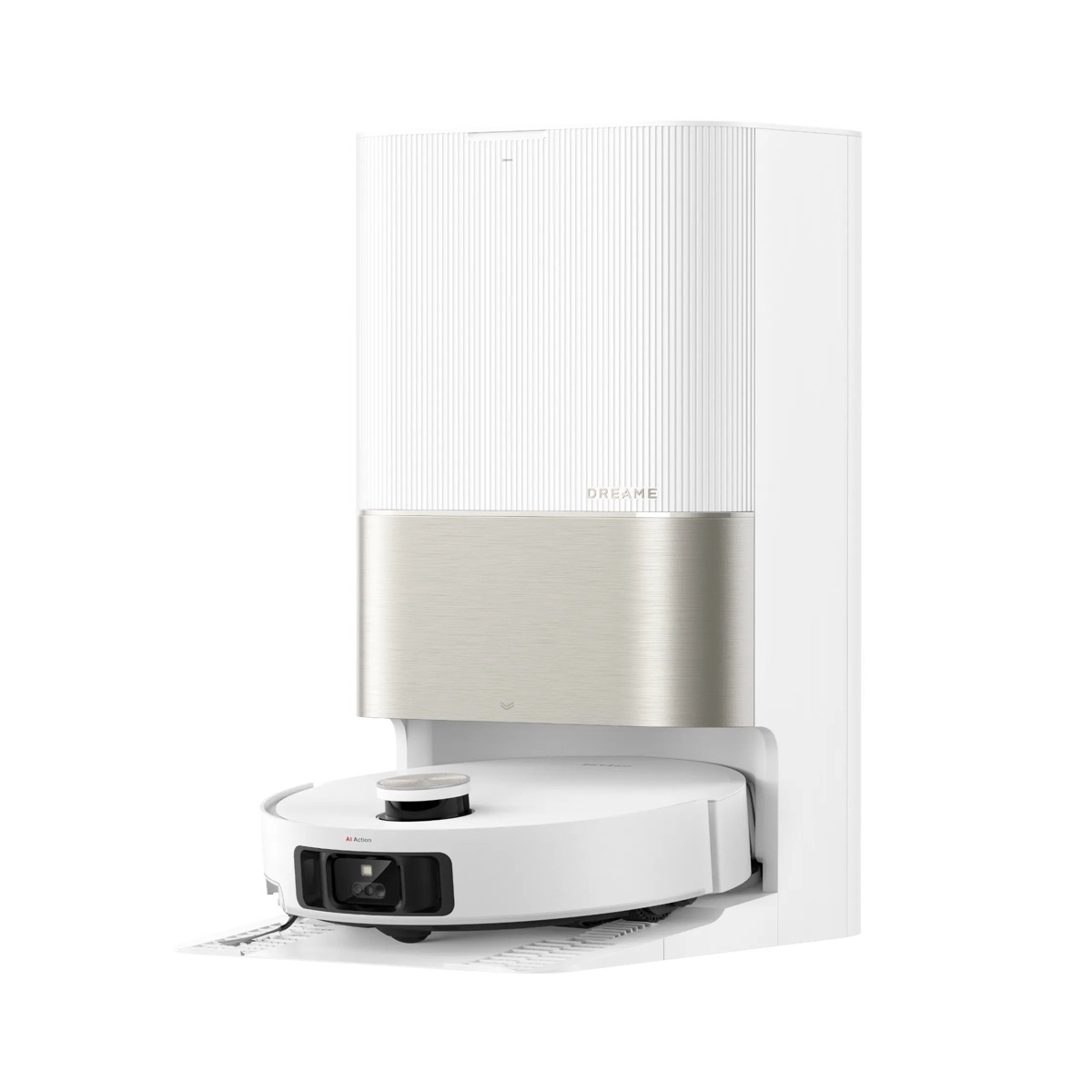
This is the biggest category shift in 2026. Almost every mid-range and flagship robot vacuum now mops — and some do it remarkably well. Models like the Dreame X60 Ultra and the eufy X10 Pro Omni scrub dried coffee stains off tile in two passes.
Stick vacuums? With rare exceptions like the Dyson V15s Detect Submarine, they are dry-cleaning only. If mopping matters to you — and it should if you have tile, vinyl, or hardwood — a robot vacuum pulls ahead significantly.
Modern robot vacuum docks wash and dry the mop pads automatically. You never touch a dirty mop. That is a convenience stick vacuums cannot match.
Navigation and Coverage
Robot vacuum models in 2026 use LiDAR or camera-based navigation to map your entire home. They clean in systematic rows, remember room layouts, and return to their dock when done. Set a schedule and forget about it.
Stick vacuums go where you push them. That is both a weakness (you do the work) and a strength (you can target exactly what needs cleaning). A robot will methodically cover 2,000 square feet in 90 minutes. You can spot-clean a kitchen with a stick vacuum in 3 minutes.
The key difference: robot vacuums are better at comprehensive coverage. Stick vacuums are better at targeted cleaning. Most homes need both approaches at different times.
Stairs and Multi-Level Homes
Winner: Stick vacuum — no contest.
Robot vacuums cannot climb stairs. Period. If you live in a multi-story home, you either need a robot on every floor or you need a stick vacuum for the stairs. There is no workaround.
A lightweight cordless stick vacuum handles stairs effortlessly. Most convert to a handheld for even more flexibility — cleaning car interiors, shelves, upholstery, and ceiling fan blades.
Curious about the future? Read our guide on stair-climbing robot vacuums — the technology is coming, but it is not ready yet.
Under-Furniture and Tight Spaces
Winner: Robot vacuum.
A robot vacuum is 3.5–4 inches tall. It slides under beds, sofas, and cabinets where a stick vacuum simply cannot reach. If you have ever pulled a sofa away from the wall and found a dust bunny civilization, you understand the value.
Stick vacuums have low-profile attachments, but they require you to get on your knees and aim. A robot vacuum cleans under furniture every single run without you thinking about it.
Battery Life and Runtime
| Robot Vacuum | Stick Vacuum | |
|---|---|---|
| Typical runtime | 90–180 min | 20–60 min |
| Max runtime (2026) | 290 min (Ecovacs X8 Pro) | 70 min (Dyson Gen5detect) |
| Auto-recharge | ✅ Yes | ❌ No |
| Resume after charging | ✅ Yes | ❌ No |
Robot vacuums win on runtime — not just because batteries are larger, but because they auto-recharge and resume. A flagship robot can clean a 3,000 sq ft home across multiple charge cycles without human intervention.
Stick vacuums run 20–60 minutes, which is enough for most cleaning sessions. But if your home is large or you are doing a deep clean, you may need to pause and recharge manually.
Noise Levels
Robot vacuums are quieter. Most operate at 55–68 dB in standard mode — roughly the volume of a normal conversation. You can run one while working from home or during a video call.
Stick vacuums are louder — 70–85 dB on high suction settings. That is closer to a food processor. You will not run one during a meeting.
The tradeoff: robot vacuums can run at night or while you are away. Stick vacuums require your active presence during their louder operation.
Maintenance and Running Costs
| Maintenance Item | Robot Vacuum | Stick Vacuum |
|---|---|---|
| Dustbin emptying | Auto (with dock) or weekly | After every use |
| Filter replacement | Every 2–3 months ($10–$20) | Every 3–6 months ($15–$30) |
| Brush cleaning | Monthly (anti-tangle in 2026) | Monthly |
| Mop pad replacement | Every 2–3 months ($15–$25) | N/A |
| Battery replacement | 2–3 years ($50–$80) | 2–3 years ($40–$70) |
| Annual running cost | $60–$120 | $30–$60 |
Robot vacuums cost more to maintain because of mop pads, cleaning solution, and dock consumables. Self-emptying docks use disposable bags ($3–$5 each, replaced monthly).
Stick vacuums are simpler — fewer parts, fewer consumables, lower annual cost. But you are paying in time instead of money.
Price Comparison: What You Get at Each Budget
Under $300 — Stick Vacuum Wins
At this price, you get an excellent stick vacuum (Shark, Tineco, or budget Dyson) but only a basic robot vacuum with random navigation and no smart features. If you can only afford one vacuum under $300, buy the stick vacuum.
$300–$600 — Robot Vacuum Becomes Viable
Robot vacuums with LiDAR navigation, app control, and basic mopping start here. Models like the [Check on Amazon](https://www.amazon.com/s?k=Roborock+Q+Revo) offer solid value. Pair one with a $100 stick vacuum and you have a great combo.
$600–$1,000 — Robot Vacuum Sweet Spot
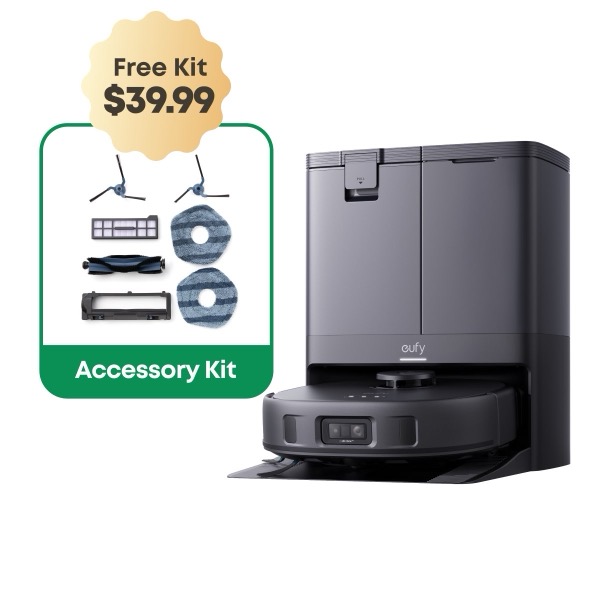
Self-cleaning docks, strong suction, AI obstacle avoidance. This is where robot vacuums start to genuinely reduce your cleaning workload. The Check on Amazon at $899.99 is our top pick in this range.
$1,000+ — Flagship Robot Vacuums
The best robot vacuums on the market — like the Check on Amazon and Check on Amazon — mop as well as some dedicated mop machines. At this tier, a robot vacuum handles 90–95% of daily floor cleaning.
For budget picks, see our best budget robot vacuums and best robot vacuums under $500.
Who Should Buy a Robot Vacuum
A robot vacuum is the right choice if you:
- Want hands-free daily cleaning — set a schedule and forget it
- Have mostly hard floors — robot vacuums excel here
- Live in a single-story home — no stairs to worry about
- Have pets — daily automated runs prevent hair buildup
- Work from home — the robot cleans while you focus
- Hate vacuuming — let the machine do it
Skip the robot vacuum if you have thick shag carpet, a very cluttered floor, or a tiny apartment where manual vacuuming takes 5 minutes anyway.
Who Should Buy a Stick Vacuum
A stick vacuum is the right choice if you:
- Live in a multi-story home — stairs demand a manual vacuum
- Have mostly carpet — nothing beats a stick vacuum for deep extraction
- Need versatility — handheld mode for cars, shelves, upholstery
- Want quick spot cleans — grab and go in 30 seconds
- Are on a tight budget — great options under $200
- Already have a clean-as-you-go habit — you will actually use it
The Best Strategy: Use Both
Here is what most experienced homeowners discover: a robot vacuum plus a stick vacuum is the ultimate cleaning combo.
The robot runs daily, keeping floors presentable with zero effort. The stick vacuum comes out once a week for deep carpet cleaning, stairs, and above-floor surfaces.
As one Reddit commenter put it: "I run my robot every day and pull out the Dyson on weekends. My house has never been cleaner and I spend less time vacuuming than I ever did with just a stick vacuum."
Our recommended combo by budget:
| Budget | Robot Vacuum | Stick Vacuum |
|---|---|---|
| $400 total | Budget LiDAR robot ($250) | Budget cordless ($150) |
| $700 total | Check on Amazon | Mid-range cordless ($200) |
| $1,200 total | Check on Amazon | Premium cordless ($300) |
| $1,800+ total | Check on Amazon | Any stick vacuum you like |
Check our full robot vacuum rankings for the latest picks.
Frequently Asked Questions
Can a robot vacuum completely replace a stick vacuum?
Not entirely. A robot vacuum handles 90–95% of daily floor cleaning on hard surfaces. But it cannot climb stairs, clean upholstery, or reach above-floor surfaces. If your home is single-story with mostly hard floors, you can get close to full replacement. Most households benefit from having both.
Is a robot vacuum worth it if I already have a stick vacuum?
Yes — especially if you have pets or a busy schedule. A robot vacuum runs daily without your involvement, catching dust and hair before it accumulates. Think of it as an upgrade to your cleaning routine, not a replacement for your stick vacuum. Most owners report vacuuming manually far less often after getting a robot.
Which cleans carpet better — robot vacuum or stick vacuum?
Stick vacuums clean carpet significantly better. In tests, stick vacuums remove 95–98% of embedded debris in one pass, while robot vacuums manage 70–85%. The difference comes down to airflow volume and brush bar power. For carpet-heavy homes, a stick vacuum is essential.
Are robot vacuums too expensive compared to stick vacuums?
Not necessarily. A capable robot vacuum starts at $300–$400 with LiDAR navigation and app control. A comparable stick vacuum costs $200–$400. The price gap has shrunk dramatically. And if you value your time, the daily hours a robot saves add up quickly. Check our budget robot vacuum picks for affordable options.
Robot vacuum vs stick vacuum for pet hair — which is better?
Both handle pet hair well, but differently. A robot vacuum prevents buildup by running daily — you will never see tumbleweeds of fur rolling across your floor. A stick vacuum removes embedded pet hair from carpet and furniture more thoroughly in a single session. For pet owners, the combo approach works best: robot daily, stick vacuum weekly. See our best robot vacuums for pet hair for specific recommendations.