The Roborock Saros 10R was the best robot vacuums you could buy — until Roborock replaced it with the Saros 20. Both share the same ultra-slim 3.14-inch body and StarSight 2.0 navigation. But the Saros 20 packs 36,000Pa of suction versus the 10R's 22,000Pa, climbs thresholds nearly twice as high, and washes its mops with boiling water. The real question is whether those upgrades justify spending more — or whether the 10R, now heavily discounted, is the smarter buy.
30-Second Summary
- Best for upgraders: Saros 20 — if you have tall thresholds, heavy carpets, or want Matter smart home support
- Best for value: Saros 10R — same slim design and navigation at a steep discount
- Key difference: 36,000Pa vs 22,000Pa suction, 88mm vs 40mm threshold climbing, boiling water vs 70°C mop wash
- Our pick: The Saros 20 is the better robot. The Saros 10R is the better deal.
Quick Comparison Table
| Feature | Roborock Saros 10R | Roborock Saros 20 |
|---|---|---|
| Price | $1,599.99 (MSRP $1,599.99) | $1,389.99 (MSRP $1,389.99) |
| Suction | 22,000Pa | 36,000Pa |
| Battery | 6,400mAh | 6,400mAh |
| Height | 3.14 inches | 3.14 inches |
| Navigation | StarSight 2.0 (3D ToF) | StarSight 2.0 (3D ToF) |
| Obstacle Avoidance | VertiBeam lateral | VertiBeam lateral |
| Main Brush | DuoDivide anti-tangle | DuoDivide anti-tangle |
| Mop Lift | 22mm | 30mm (1.18 in) |
| Threshold Climbing | 30mm single / 40mm tiered | 45mm single / 88mm tiered |
| Hot Water Wash | 70°C (158°F) | 100°C (212°F) |
| Mop Pressure | 6N | 13N |
| FlexiArm Side Brush | ✅ | ✅ |
| Matter Support | ❌ | ✅ |
| Video Calls | ❌ | ✅ (built-in RGB camera) |
| SmartPlan AI | 2.0 | 3.0 |
| BRV Score | 9.2/10 | — (not yet reviewed) |
| Check on Amazon | Check on Amazon |
💰 Price Watch — Roborock Saros 10R
| Now | $1,599.99 |
| MSRP | $1,599.99 |
💰 Price Watch — Roborock Saros 20
| Now | $1,389.99 |
| MSRP | $1,389.99 |
Design
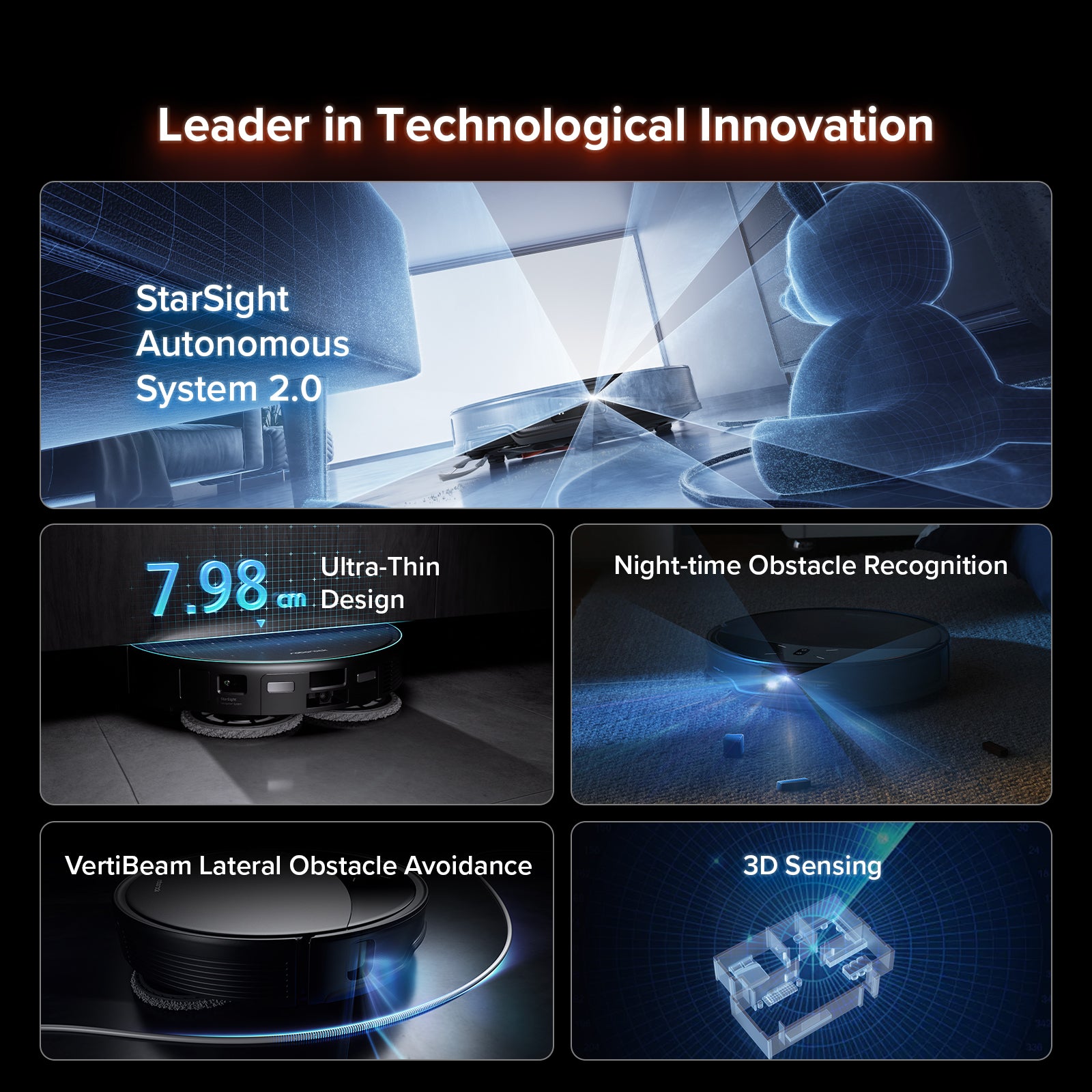
Both robots are functionally identical in size — and that's a big deal. At 3.14 inches tall, the Saros 10R and Saros 20 are among the slimmest flagship robot vacuums ever made. They slide under couches, bed frames, and low cabinets that block nearly every competitor over 10cm.
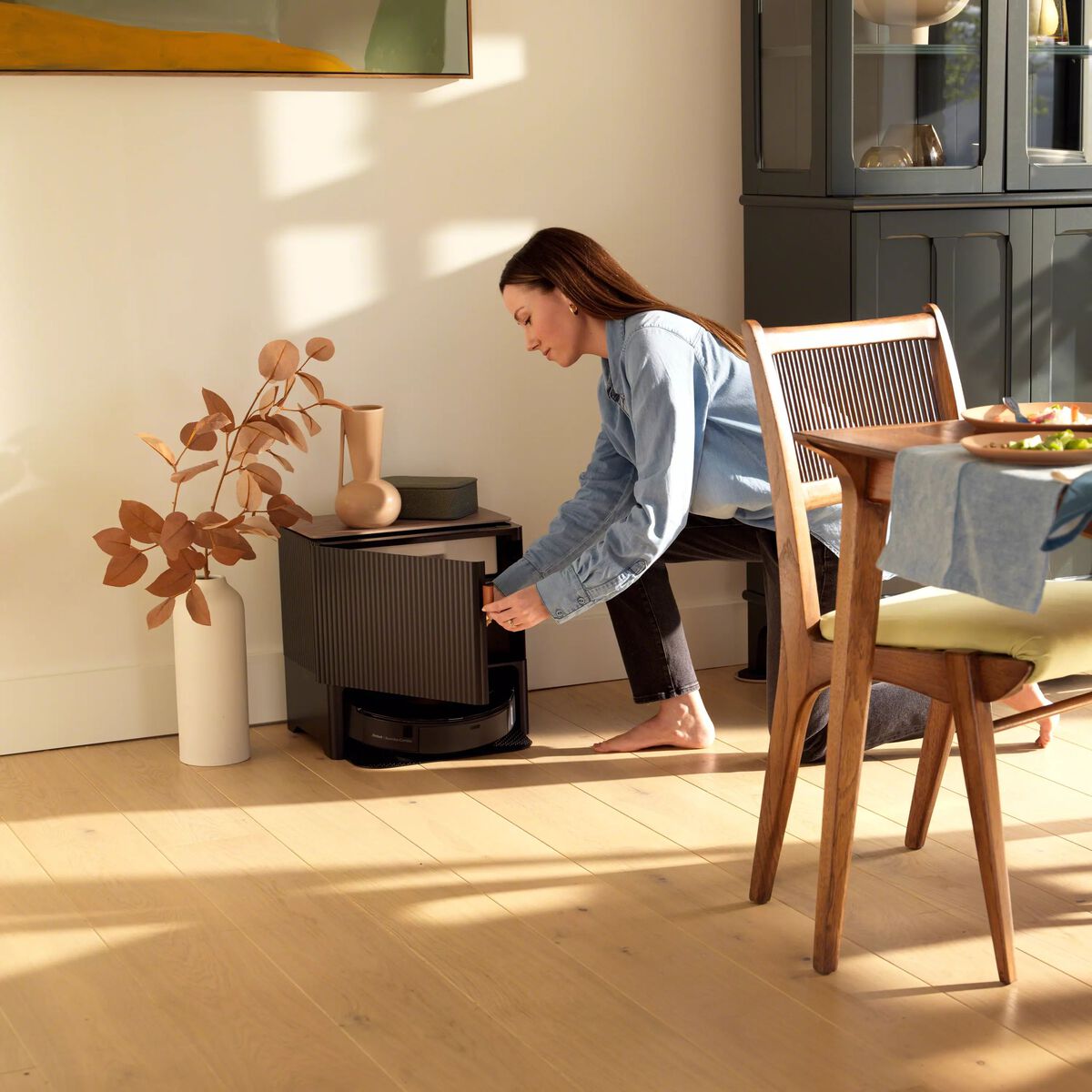
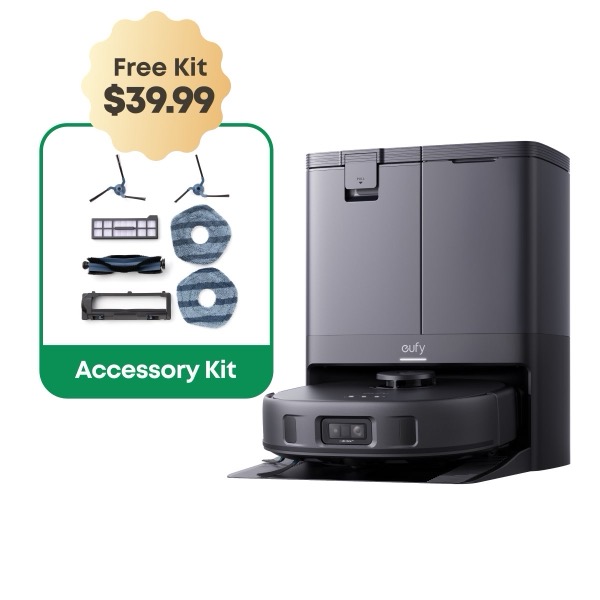
The biggest external change is the dock. Roborock swapped the 10R's glossy mirrored finish for a matte surface on the Saros 20 — a purely cosmetic change, but one that hides fingerprints better. Both docks are large and need about 15 × 18 inches of floor space.
One practical upgrade: the Saros 20's dock can swap out mop pads mid-clean. The robot drops off its used pair, picks up fresh ones, and continues without you touching anything. The 10R's dock washes the same pads and sends them back out — fine for daily cleaning, but not ideal for deep sessions on large floors.
Cleaning Performance
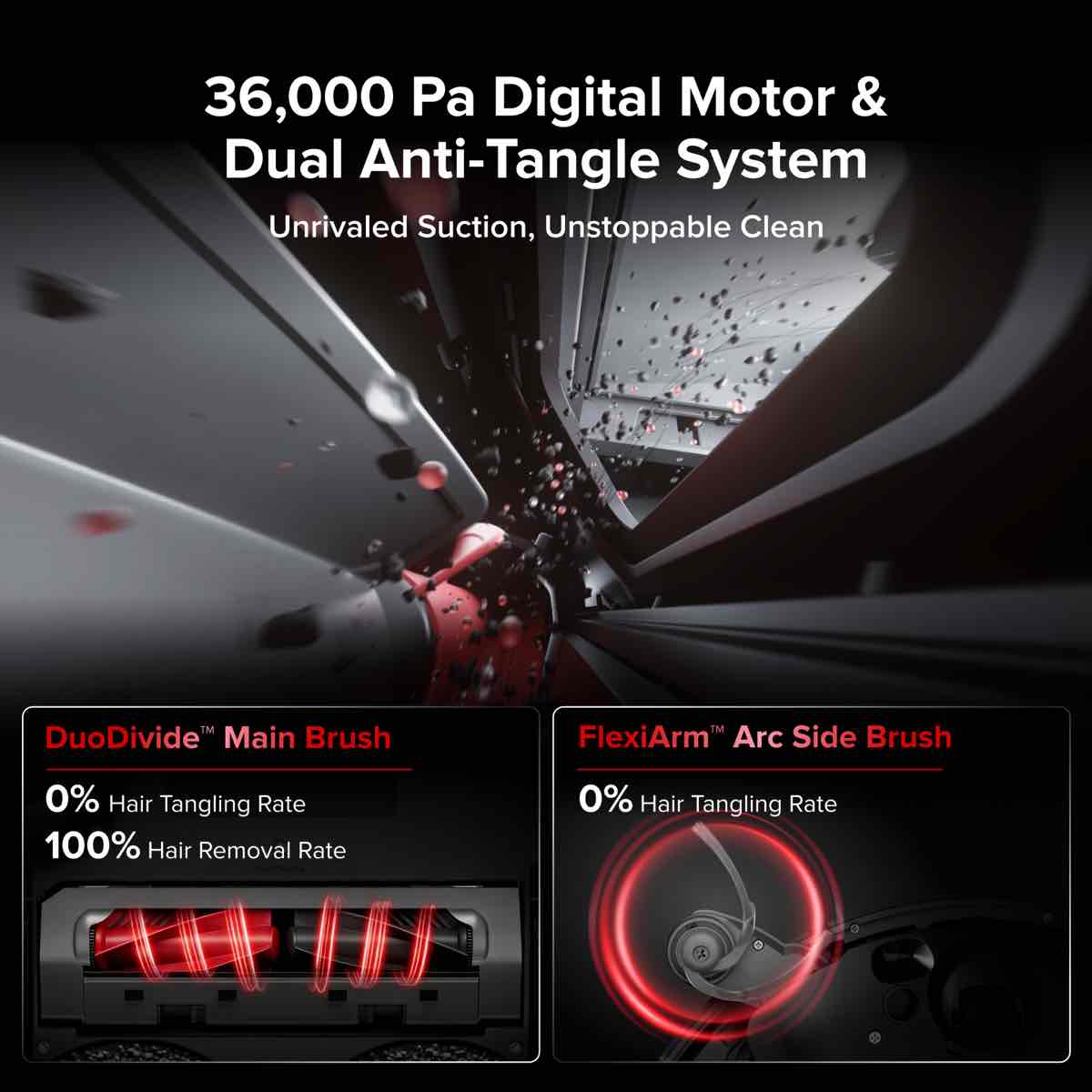
The Saros 20's 36,000Pa suction is a genuine upgrade — especially on carpet. According to Tom's Guide testing, the Saros 20 picks up 100% of Cheerios and 100% of kitty litter on carpet in a single pass. Hard floor results were similarly strong at 90% Cheerios and 100% kitty litter.
The Saros 10R scored 3.69/5.0 on Vacuum Wars (the #1 ranked robot vacuum) with 92% pet hair pickup on hard floors and 80% carpet deep clean. Those are excellent numbers — but the Saros 20's raw suction advantage means it handles embedded carpet debris noticeably better.
Where the difference matters most: thick carpet and pet hair. The 10R's 22,000Pa handles daily dust and crumbs without breaking a sweat. But if you have medium-to-high pile carpet with embedded pet hair, the Saros 20's 36,000Pa pulls out debris the 10R leaves behind. Tom's Guide measured 70% pet hair pickup on carpet for the Saros 20 — not perfect, but combined with its stronger suction, repeat passes get the job done faster.
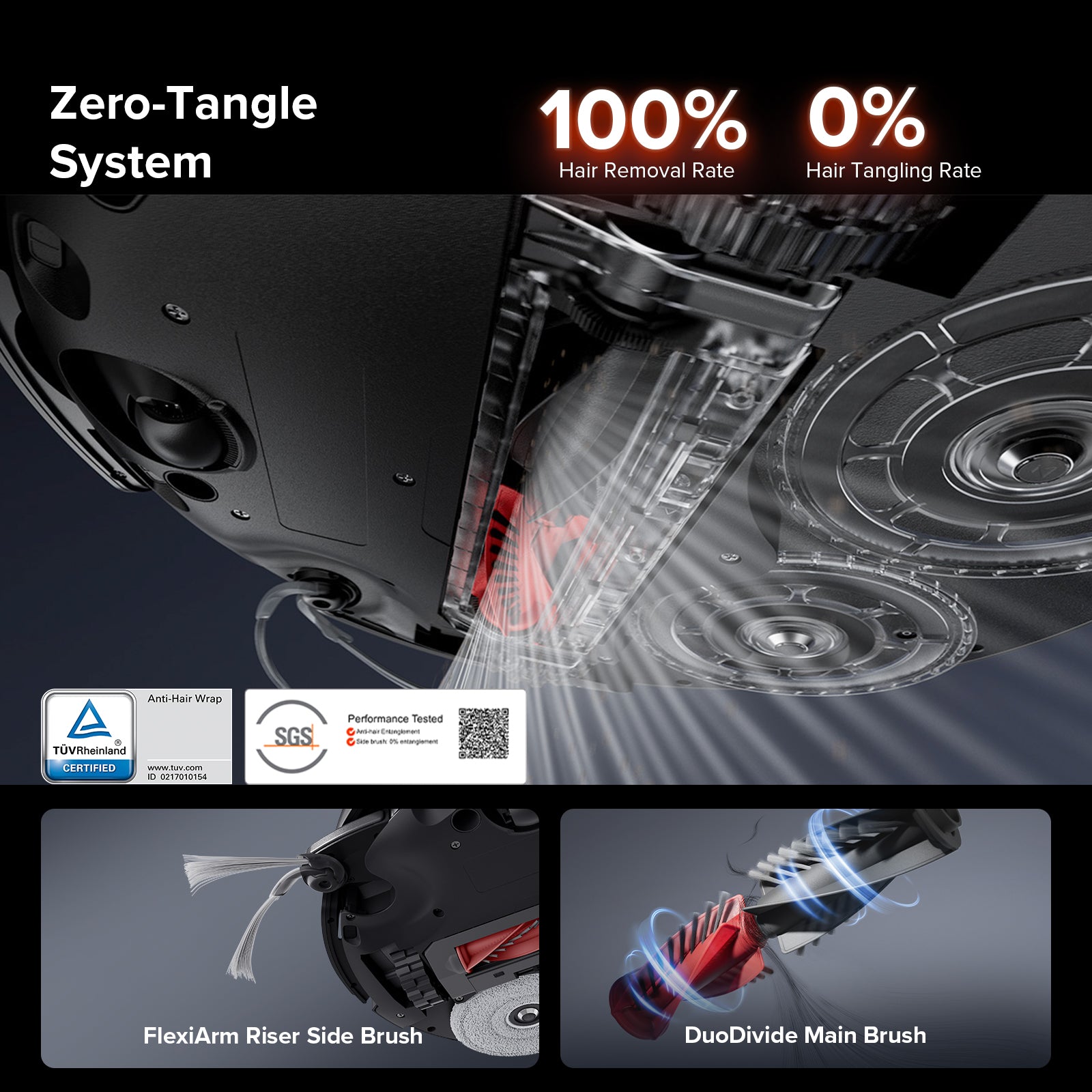
Both use the same DuoDivide anti-tangle brush system — dual rollers with a center gap that channels hair instead of wrapping. The Saros 10R achieved a 0% hair tangle rate in Vacuum Wars testing. The Saros 20 inherits this design unchanged.
Mopping
The Saros 20 mops harder and washes hotter — but neither is a dedicated mopper. The Saros 20 applies 13N of downward pressure compared to the 10R's 6N. That's more than double the force pushing the mop pads into the floor, which makes a real difference on dried coffee spills and sticky residue.
The dock upgrade matters too. The Saros 20 washes mop pads with 100°C boiling water — genuinely sterilizing them. The 10R tops out at 70°C, which is warm enough for daily grime but won't kill bacteria as effectively. If you have pets or young kids crawling on floors, that temperature gap is meaningful.
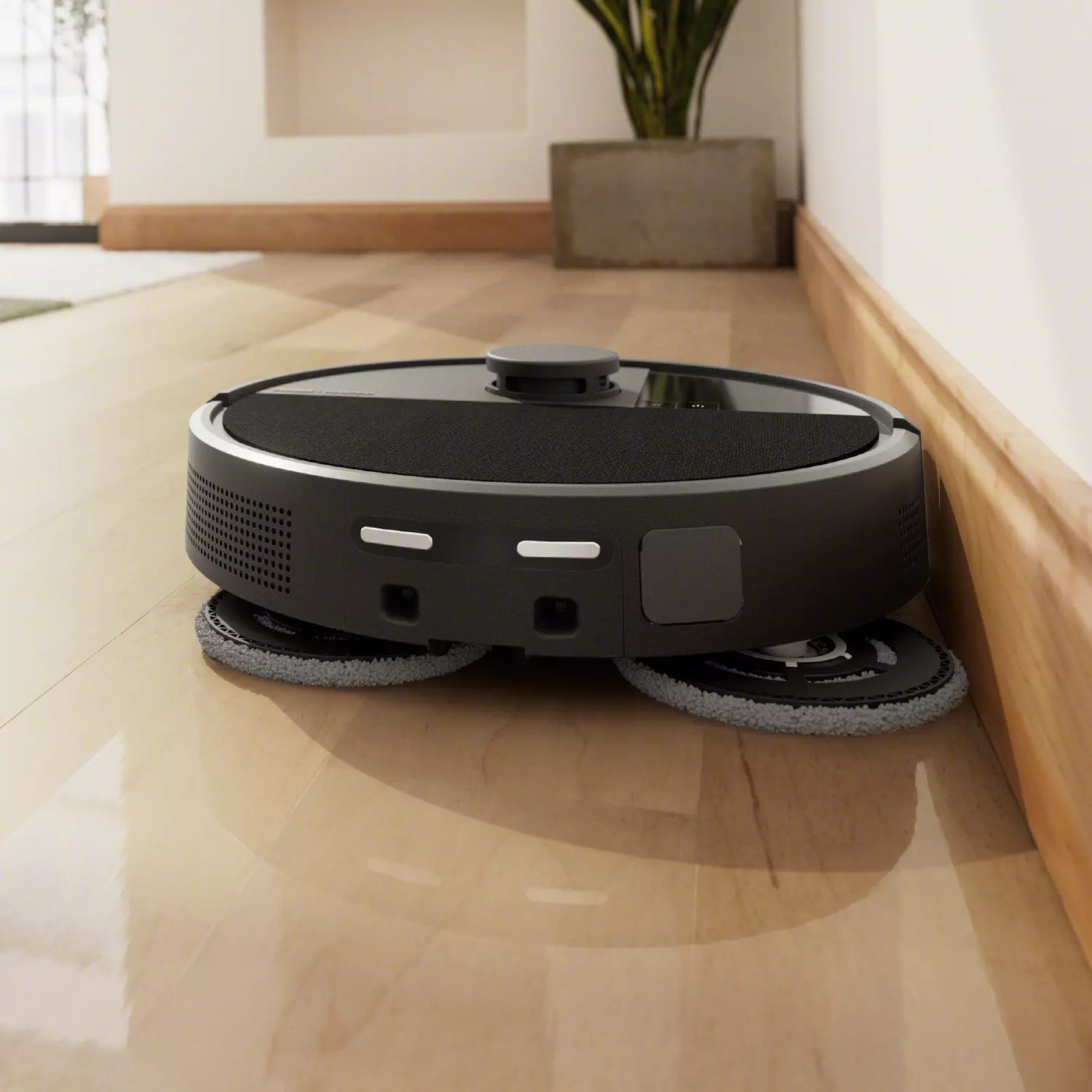
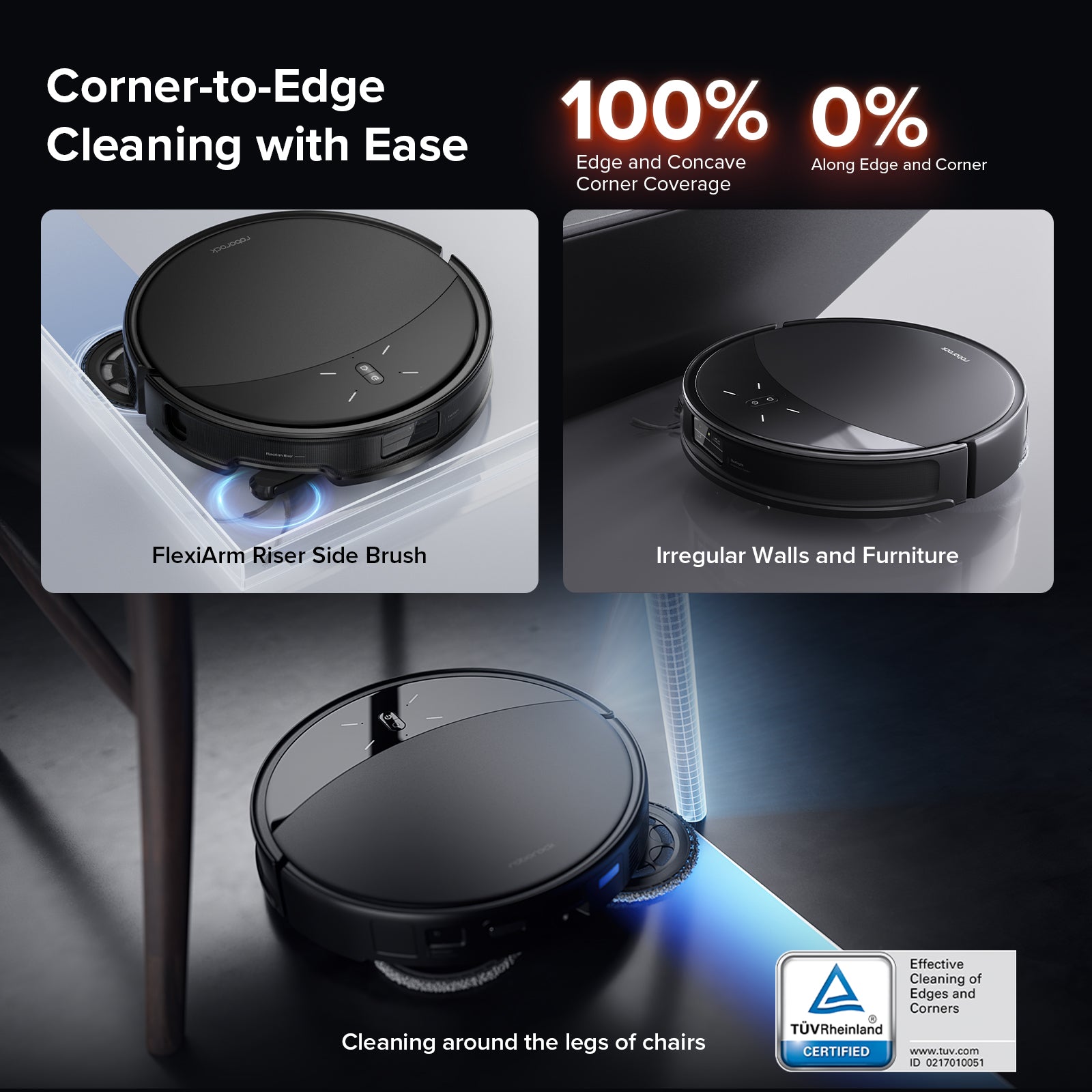
Both robots lift their mops when transitioning to carpet — 22mm on the 10R and 30mm on the Saros 20. The 10R's lift is already enough to clear most low-pile rugs without leaving wet streaks. The Saros 20's extra 8mm gives more clearance for medium-pile carpet.
One caveat from testing: TechRadar noted the Saros 20 "occasionally left areas unmopped" during full-home cleans, and Tom's Guide confirmed it struggled with sticky honey residue. These are spinning-pad limitations, not specific to either model — if you need serious mopping, a roller-mop robot like the eufy Omni S1 Pro does it better.
Navigation & Obstacle Avoidance

Same navigation brain, same incredible obstacle avoidance. Both the Saros 10R and Saros 20 run the StarSight Autonomous System 2.0 — a front-facing solid-state LiDAR with 3D ToF sensors and 21,600 sensor points. No LiDAR turret on top, which is how they stay under 3.14 inches.
The Saros 10R scored a perfect 24/24 on Vacuum Wars' obstacle avoidance test, recognizing over 108 object types including cables, socks, pet toys, and shoes. It earned their Best Obstacle Avoidance award. The Saros 20 inherits the same sensor array and should perform identically.
The real upgrade is threshold climbing. The Saros 10R uses AdaptiLift 2.0 to cross 30mm single thresholds and 40mm tiered thresholds. The Saros 20's AdaptiLift 3.0 raises that to 45mm single and 88mm tiered — nearly doubling the tiered capability. NotebookCheck confirmed the Saros 20 handled an 8.8cm double-layer threshold without getting stuck.
If your home has bathroom transitions, sliding door tracks, or room dividers taller than an inch, the Saros 20 is the clear winner. For typical American homes with flush or low-profile transitions, the 10R handles everything fine.
The Saros 20 also adds SmartPlan 3.0, an AI-driven cleaning strategy that optimizes routes based on room layouts and dirt patterns. The 10R runs SmartPlan 2.0. In practice, both navigate efficiently — the difference is marginal unless you have a very complex multi-room layout.
Battery & Noise
Same battery, different noise profiles. Both robots pack a 6,400mAh battery — one of the largest in any robot vacuum. The Saros 10R covers about 1,389 sq ft per charge according to Vacuum Wars, and one owner cleaned 64 sqm (about 690 sq ft) in 83 minutes with 35% battery remaining.
NotebookCheck tested the Saros 20 cleaning 50 sqm in 1.5 hours on standard settings and it returned with over 40% battery left. Real-world coverage is similar between the two — the Saros 20's higher suction doesn't drain the battery noticeably faster thanks to motor efficiency improvements.
For noise, the Saros 10R is quieter in mopping mode at around 55 dB — barely louder than a conversation. The Saros 20 measures about 60 dB during standard vacuuming and hits 70 dB at max suction according to NotebookCheck. Tom's Guide recorded 60 dB vacuuming and 70 dB dock emptying for the Saros 20.
Both are within acceptable ranges, but if you run your robot at night or during calls, the 10R's lower base noise is worth noting. The Saros 20's extra suction power comes with a modest noise penalty.
App & Smart Features
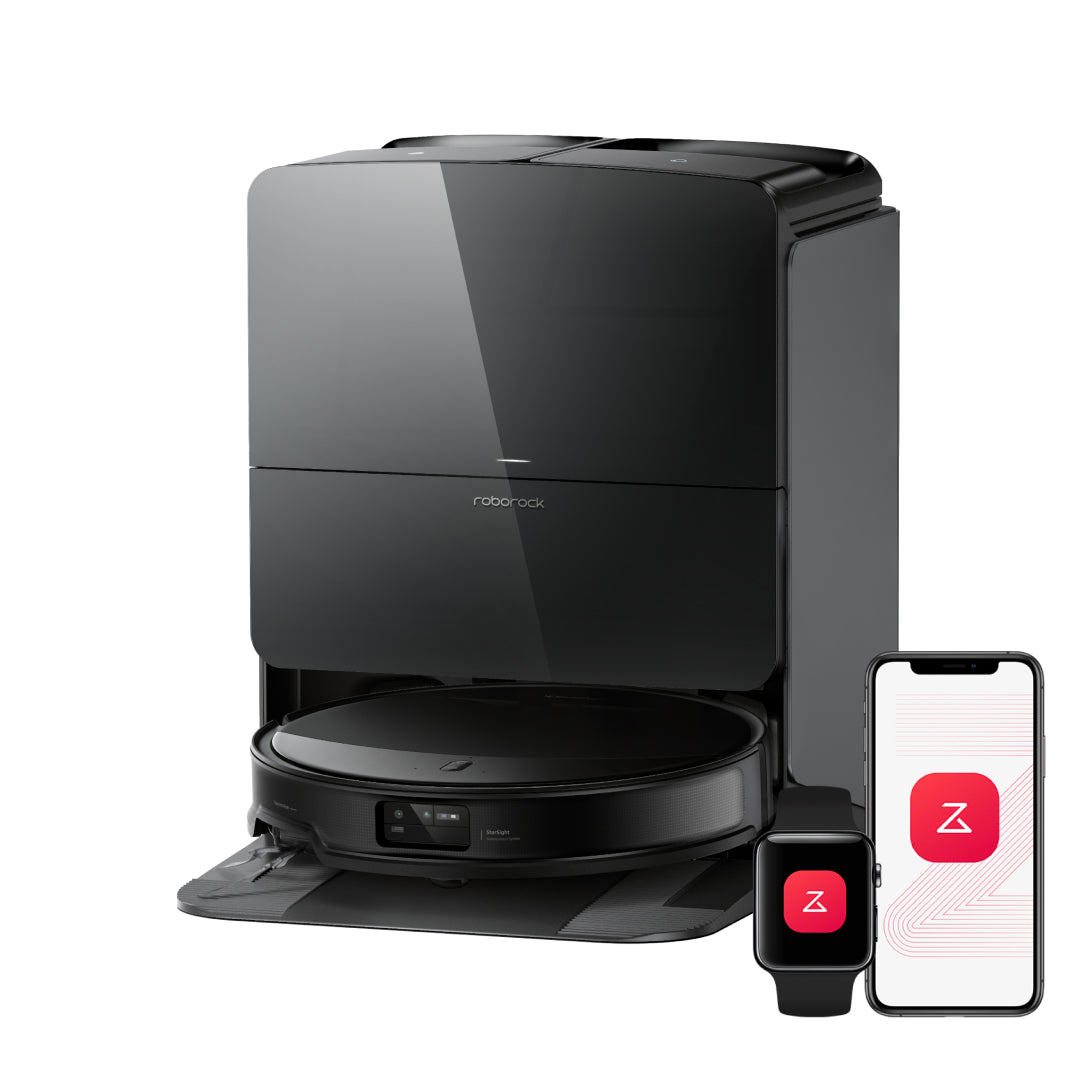
The Saros 20 adds Matter support — a big deal for Apple users. Both robots use the Roborock app with full room mapping, zone scheduling, no-go zones, and furniture recognition. The app experience is identical and consistently rated among the best in the industry.
The Saros 20's standout addition is Matter protocol support — meaning native integration with Apple HomeKit, Samsung SmartThings, and other Matter-compatible platforms. The 10R only supports Alexa and Google Home. If you're deep in the Apple ecosystem, this is a significant differentiator.
Another new feature: the Saros 20 has a built-in RGB camera that supports video calls through the app. You can check on your home (or your pets) while the robot cleans. The 10R lacks this entirely.
The Saros 20 also introduces "Hello Rocky" voice commands — you can talk directly to the robot without going through a smart speaker. Useful if you want to say "clean the kitchen" without pulling out your phone.
Price & Value
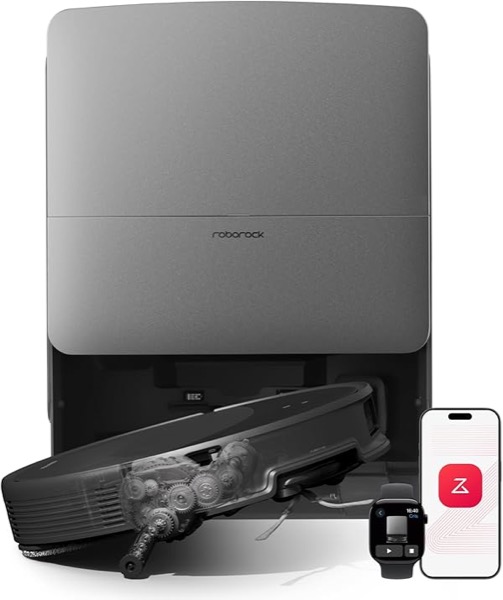
This is where the decision gets interesting. Both robots launched at the same $1,389.99 MSRP. But the Saros 10R has since dropped to $1,599.99 — a steep discount now that the Saros 20 is available.
The Saros 20 currently sells for $1,389.99. That means the price gap between them could be several hundred dollars depending on current promotions.
If you're upgrading from an older Roborock (S7, S8, Qrevo Curv), either model is a massive jump. But as TechRadar and multiple Reddit users pointed out — if you already own a Saros 10R, the upgrade isn't worth it. The improvements are real but incremental.
For new buyers, the calculus depends on your home. The Saros 20 is objectively better in every measurable way. But the 10R at its discounted price delivers 90% of the experience for significantly less money.
The Verdict
Choose the Roborock Saros 20 if:
- You have tall thresholds or uneven flooring between rooms
- You need maximum carpet cleaning power (heavy shedding pets, high-pile carpet)
- You want Apple HomeKit / Matter support
- You prefer boiling water mop sterilization (pets, babies)
- Budget isn't a primary concern
Choose the Roborock Saros 10R if:
- You want the best value in premium robot vacuums right now
- Your home has flush or low-profile transitions (most US homes)
- You mainly clean hard floors with light carpet
- You don't need Matter / HomeKit support
- You'd rather pocket the savings for replacement parts and accessories
Both are exceptional robots. The Saros 20 is the better machine — period. But the Saros 10R at its current price might be the smartest purchase in the robot vacuum market right now.
The Verdict
9/10The Saros 20 wins on specs — more suction, higher threshold climbing, hotter mop wash, Matter support. But the Saros 10R remains an outstanding robot vacuum, and its discounted price makes it one of the best deals available. New buyers with complex homes should get the Saros 20. Everyone else should seriously consider the 10R and pocket the savings.
Buyers choosing between Roborock's 2025 and 2026 flagships
Alternatives: 3 Competitors to Consider
Dreame X60 Ultra — $1,499.99 — 9.3/10
Best for those who want a different ecosystem with comparable performance. Strong suction and excellent mopping.
Roborock Saros Z70 — $2,599.99 — 8.5/10
Best for tech enthusiasts who want Roborock's robotic arm feature. More expensive but uniquely capable.
Ecovacs Deebot X9 Pro Omni — $699.99 — 8.3/10
Best for buyers who prioritize mopping. OZMO roller mop outcleans spinning pads.
Frequently Asked Questions
Is the Roborock Saros 20 worth the upgrade from the Saros 10R?
For most existing Saros 10R owners — no. The improvements are real but incremental. The same navigation, same slim design, same brush system. Where it matters: if you regularly fight tall thresholds between rooms or need maximum carpet suction for heavy pet hair, the Saros 20 justifies the upgrade. Otherwise, stick with your 10R.
Which is better for pet hair — Saros 10R or Saros 20?
The Saros 20 has the edge thanks to 36,000Pa suction versus 22,000Pa. On hard floors, both pick up pet hair effectively. On carpet, the Saros 20's extra power pulls more embedded hair per pass. Both use the zero-tangle DuoDivide brush, so neither wraps hair around the roller. For heavy-shedding pets on carpet, the Saros 20 is the better choice.
Roborock Saros 10R work with Apple HomeKit?">Does the Roborock Saros 10R work with Apple HomeKit?
No. The Saros 10R supports Alexa and Google Home but not Apple HomeKit or Matter. The Saros 20 adds Matter protocol support, which enables native HomeKit integration. If Apple HomeKit is a requirement, the Saros 20 is your only option in the Saros lineup.
How loud are the Saros 10R and Saros 20?
The Saros 10R runs at about 55 dB in quiet mopping mode — comparable to a normal conversation. The Saros 20 measures approximately 60 dB during standard vacuuming and up to 70 dB at max power according to NotebookCheck. Both dock self-emptying cycles are around 70 dB. Neither is disruptive during daytime use, but the 10R is noticeably quieter in standard mode.
Can the Saros 10R and Saros 20 climb door thresholds?
Yes, but with very different limits. The Saros 10R handles 30mm single thresholds and 40mm tiered thresholds with AdaptiLift 2.0. The Saros 20 upgrades to AdaptiLift 3.0, climbing 45mm single and up to 88mm double-layer thresholds. If your home has high transitions — common in older houses and buildings with sliding doors ��� the Saros 20 is significantly more capable.